Demo: From Toy Idea to Product Brief
A second demonstration of the article layout, with a product reference, checklist, table, quotation and a short text example.
Demo article — layout preview. This sample is for reviewing article typography, images and navigation. It contains placeholder editorial copy, not a product performance claim or a completed project.
A product story can begin with a simple question: what should the reader notice first? This demonstration uses a soft toy reference to show how an article can combine an opening idea, visual material, short sections and a practical checklist.
The aim of this page is to test the layout with a second article length and a different cover image. The content is illustrative and can be replaced later.
Introduce the idea visually
An opening image creates a focal point before the article moves into detail. Leave enough room around it for the caption and the next heading to feel separate. The photograph below is an existing product reference from the site.
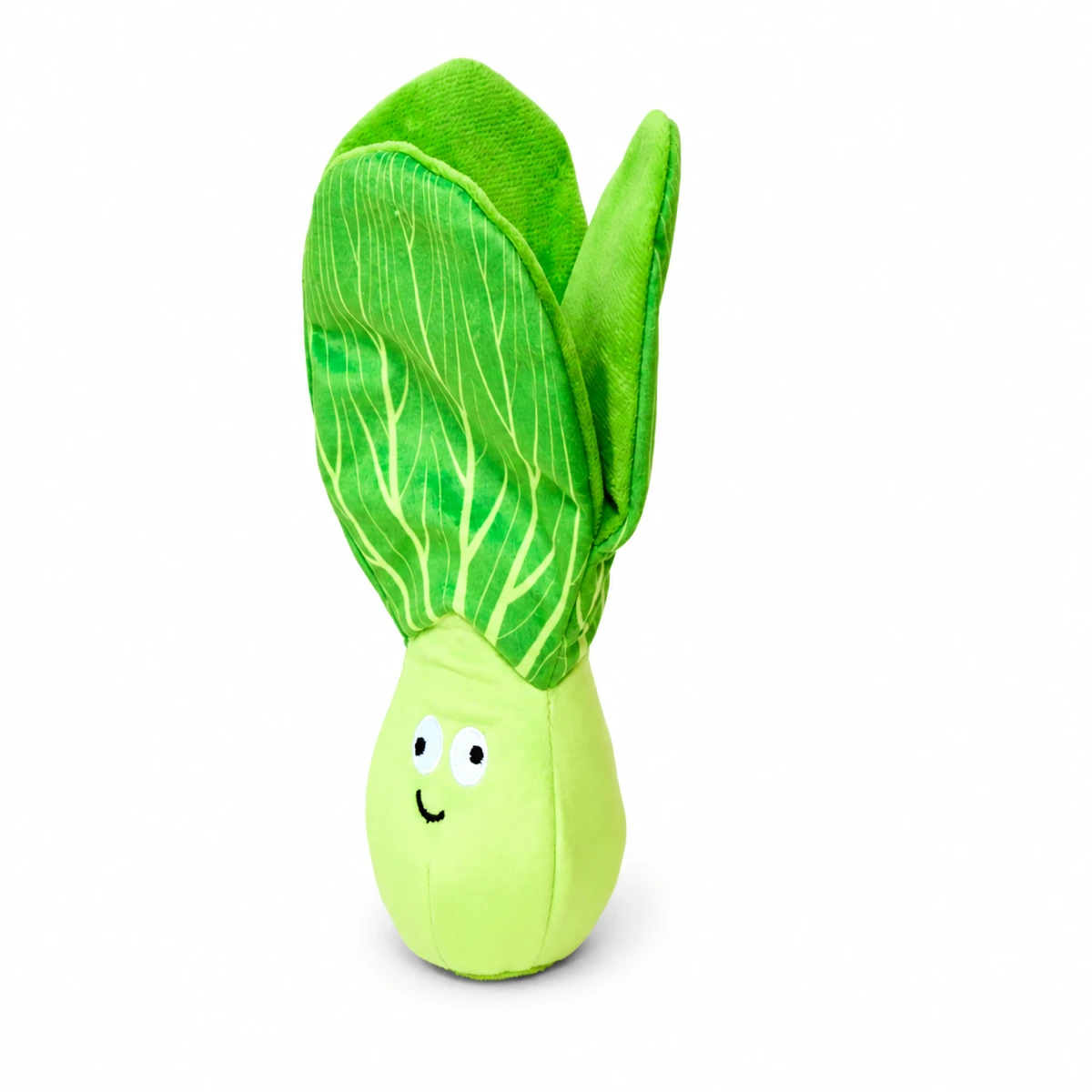
Image caption — a product reference used to demonstrate an illustrated article section.
Explain one detail at a time
This paragraph demonstrates a supporting section. It includes bold emphasis, italic emphasis and an internal link to the development page. Each element has a different visual role while staying within the same body typography.
Turn observations into a checklist
A short checklist helps break up a long passage of text:
- Add the product idea or visual reference.
- Describe the intended range or collection.
- List the details that need discussion.
- Note what information is still missing.
Show the order of the conversation
- Introduce the product direction.
- Compare the reference with the intended brief.
- Record the open questions.
- Agree on the next discussion point.
These steps are sample content for the layout. A real project would use its own agreed process and requirements.
Present a small reference table
| Topic | Example note | Next question |
|---|---|---|
| Shape | Use the image as a reference | What needs to change? |
| Colour | Add a colour direction | Which reference should be used? |
| Construction | Add a detail to discuss | What should the sample show? |
| Presentation | Add a packaging idea | What information is needed? |
The table shows how headings, borders and alternate row backgrounds work together. The cells intentionally contain short text so they remain useful on smaller screens.
Add a callout or a short example
Remember: a demonstration article is a design specimen. Replace its sample text before treating it as advice for a particular product or order.
A short code-style reference can also appear in an article, such as
SAMPLE-REF-01. The following block shows the treatment of a
simple text example:
Product reference: SAMPLE-REF-01
Open question: Add the detail to discuss
Next step: Review the brief
Finish the story
This closing section demonstrates the final part of the article. A reader should be able to return to the Blog, explore pet products, or contact Merit without searching for a way forward.
One last question
What should a reader remember from this page? In a finished article, the answer would be a concise, useful takeaway. Here, the takeaway is the layout itself: clear headings, readable text and visual pauses throughout the page.