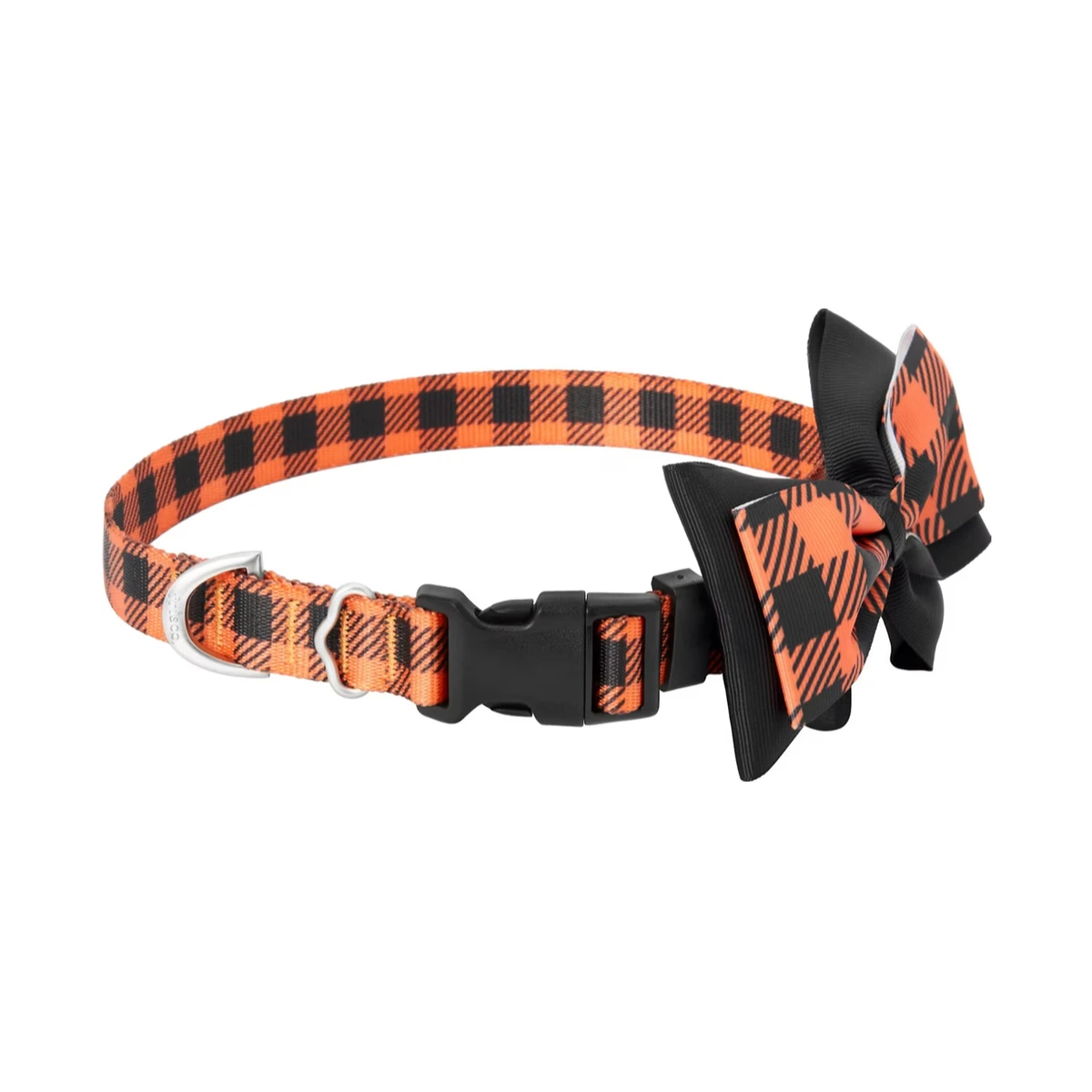
Adapt a Product Base. Or Develop from Your Design.
Turn a product direction into a brief that can be sampled, refined and approved.
We coordinate development around the materials, construction, fit, branding and packaging that matter to your range. The starting point can be an existing base or design drawings of your own.
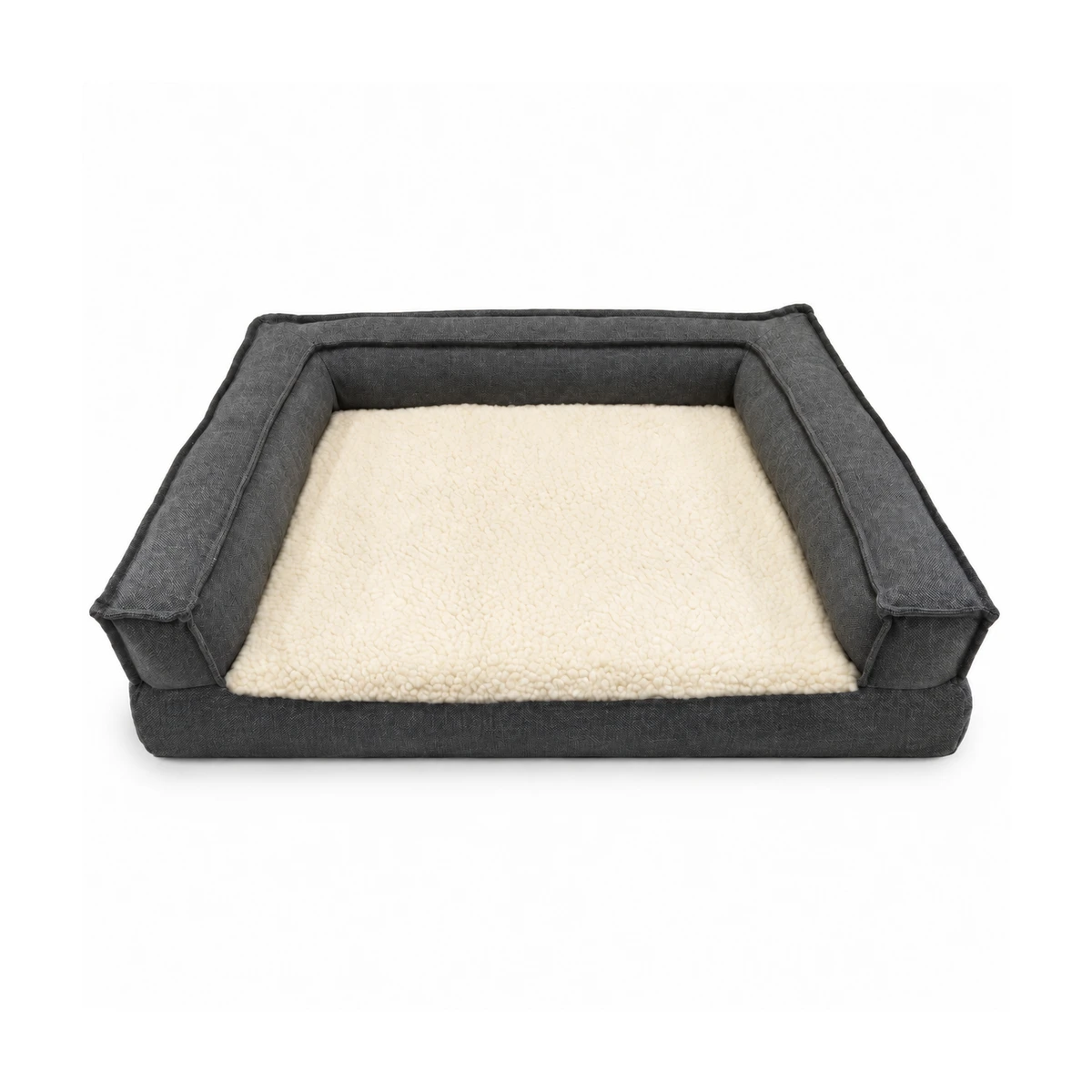
Choose the starting point that fits the brief.
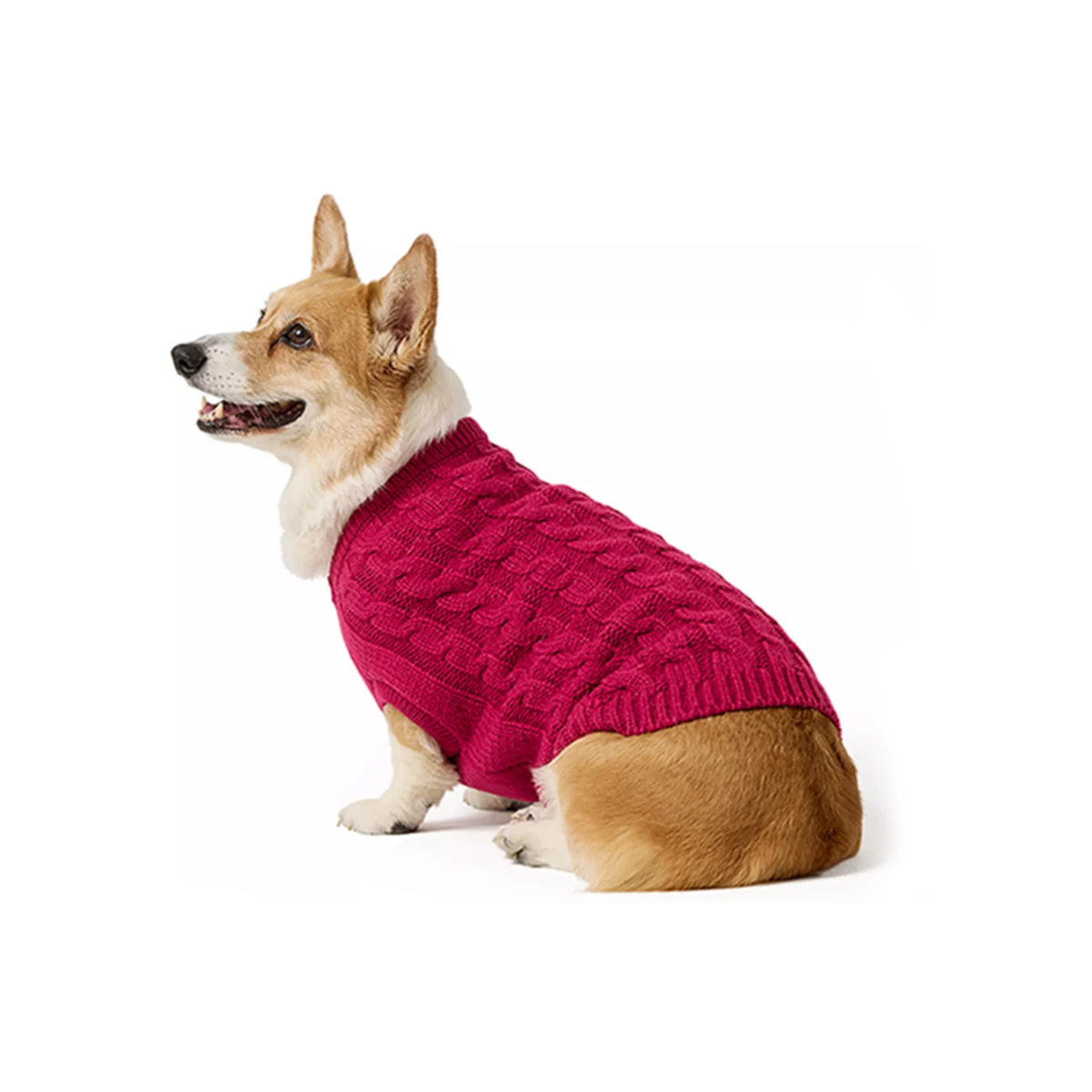
Focus on the changes that matter.
Select a reference and define what needs to change: fabric, colour, size, filling, construction, branding or packaging. The brief should explain why the change matters for your market.
We review feasibility, samples, quantities and the implications for cost and timing around the selected base.
Browse product basesBring the idea into a product brief.
Share your design drawings, intended specification and product use. We can discuss development from that design, including the work needed to establish a sample and production reference.
The scope, scale, timing and development commitment are reviewed before detailed work begins.
Discuss your designMake the changes visible.
A material change can affect feel, construction and testing. A new size can affect fit, fill quantity and packaging. We review the proposed changes as part of the whole product, rather than treating each option in isolation.
- Material & finish: fabric, surface texture and filling direction.
- Colour & size: the assortment, proportions and fit you need.
- Construction: seams, shape, webbing, hardware and functional details.
The marked product is a discussion reference. Available changes depend on the selected base and project.
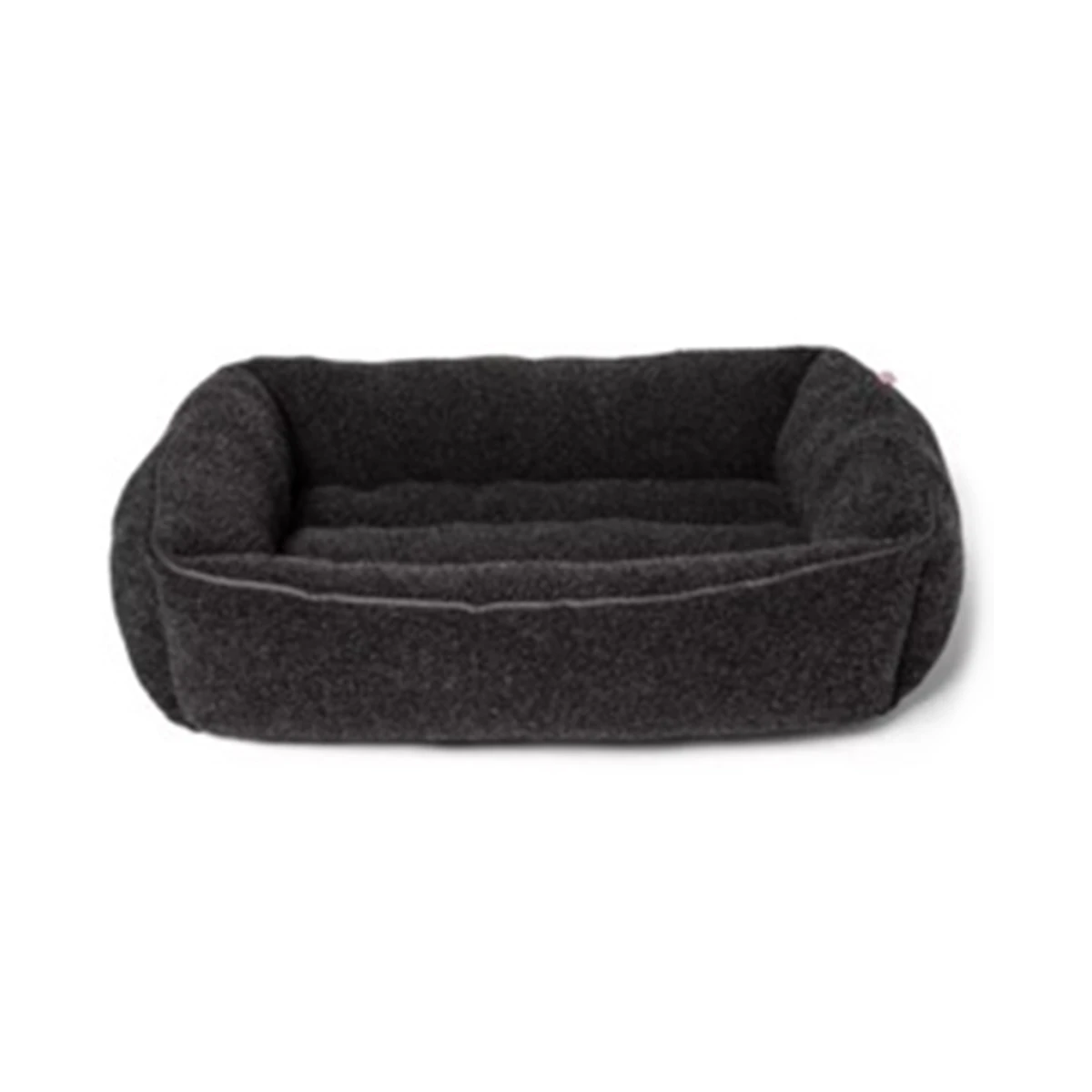
Material, pattern and retail presentation.
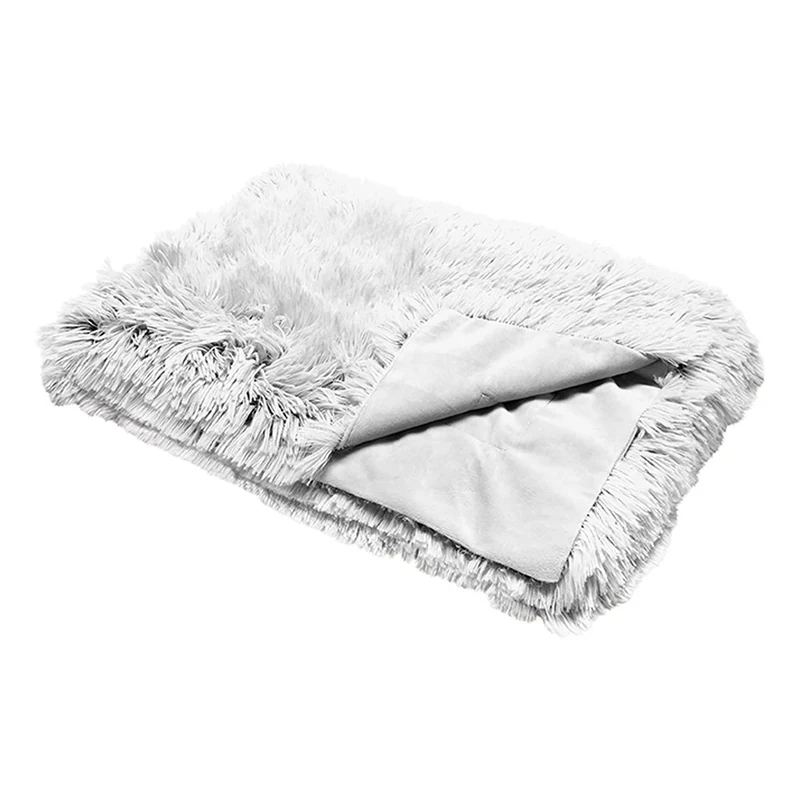
Material & surface
Use a fleece blanket reference to discuss the fabric, finish and colour direction. Agree the material specification for the selected base.
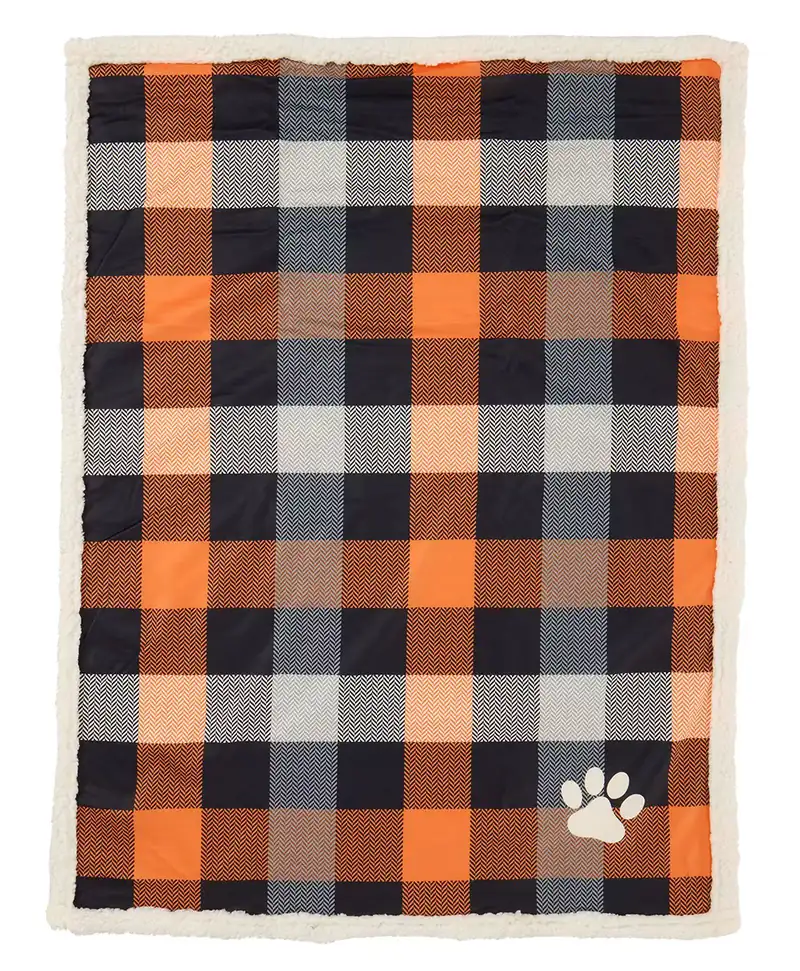
Pattern & construction
Discuss colour combinations, sizing and edge details alongside the intended range. Everyday and holiday directions can be reviewed within the same brief.

Branding & packaging
Review labels, pack format and presentation. Pack count, carton efficiency and label coordination belong in the development discussion too.
These are separate product references, not before-and-after stages of one Merit project. Branding shown belongs to the reference product.
Confirm the direction. Then approve the reference.
Sampling gives the product discussion something concrete to assess. The first task is to establish the direction; the next is to settle the details that production and checking will follow.
Does the concept work?
Review material direction, proportion and the overall product idea.
What will production follow?
Approve the specification, workmanship and packaging reference.
A reference photo, early sample or purchase order alone does not replace production approval.
Give development a workable plan.
The development brief connects the product work with your estimated quantity, target timing and market requirements. New materials, construction or packaging may create extra sampling or testing needs.
Sample and development charges are confirmed for the project. Any proposed credit or offset is agreed specifically. If a change affects cost, timing or the approved reference, its impact is reviewed before the revised work goes ahead.
See the full project process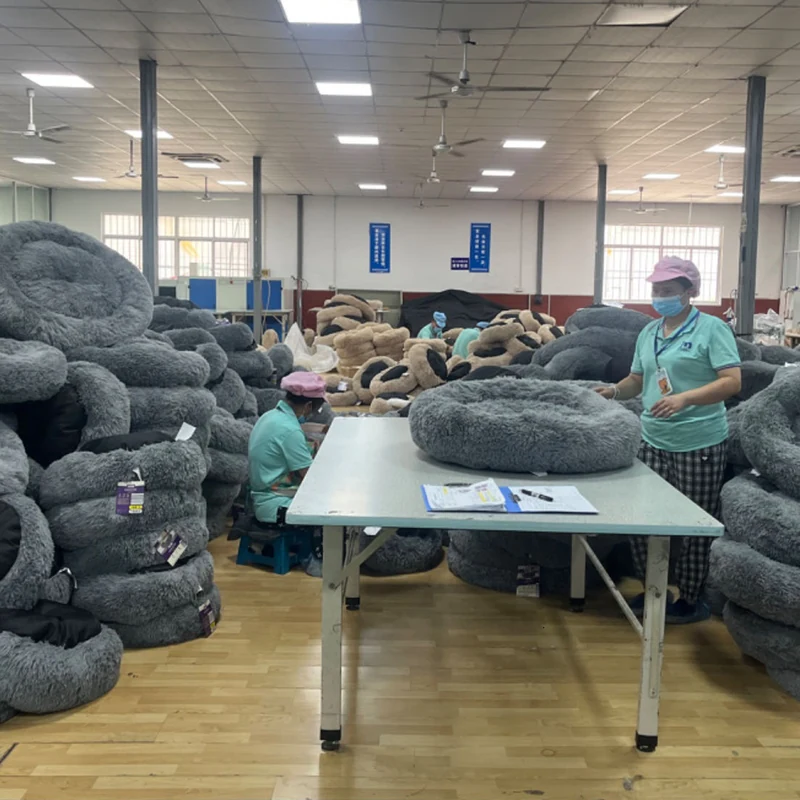
Which starting point fits your project?
Share a product reference or design drawing, the changes you have in mind, your target market, estimated quantity and timing. Early estimates are welcome.