
From Brief to Delivery
A clear brief. A shared product reference. A practical plan for the work that follows.
Bring a product idea, a buying brief or a range that needs a fresh direction. Merit connects product decisions with development and supply coordination, so you know what needs to happen next.

Six stages. Clear decisions along the way.
Projects can return to an earlier stage when a brief or sample changes. Progress depends on the work and approvals required, rather than a fixed sequence of dates.
Share the buying task
Your partStart with your channel, target market and the role the product needs to play. A product reference, estimated quantity and target launch window help make the conversation specific.
Merit coordinatesWe review price positioning, opening inventory and the product direction. Early estimates are useful; unresolved details can be identified as the brief takes shape.
Agree the buying need and the information still required.
Choose a product direction
Your partReview a focused shortlist of product bases, or share your own design drawings. Decide which materials, features and presentation matter most for your range.
Merit coordinatesWe connect those choices with the development work involved. A mature base can support targeted changes; a new design needs a closer discussion of feasibility and scope.
Select the direction to take into the scope discussion.

Agree scope and commercial conditions
Your partReview the proposed development work, quantities, packaging and target timing. Tell us about known testing, label or destination-market requirements.
Merit coordinatesWe clarify what is included, what still needs confirmation and which sample, development or third-party costs apply. An indicative price helps assess a direction; a firm quotation needs the agreed specification and conditions.
Agree the scope before sampling begins.

Sample, refine and approve
Your partUse the direction sample to review the concept, material direction and proportion. Review revisions before approving the final product and packaging reference.
Merit coordinatesWe coordinate the sample work and the details needed for a golden sample and approved specification. A purchase order or an early sample alone does not release production.
Confirm the approved reference and required project conditions.
Coordinate production and shipment
Your partStay involved where a proposed change or issue needs your decision. Changes to cost, timing or the approved product reference are reviewed before execution.
Merit coordinatesWe follow up with supplier companies, coordinate the agreed checks and connect packaging and shipment preparation with the project plan. Issues are raised with their impact and available next actions.
Agree changes and address exceptions against the approved reference.
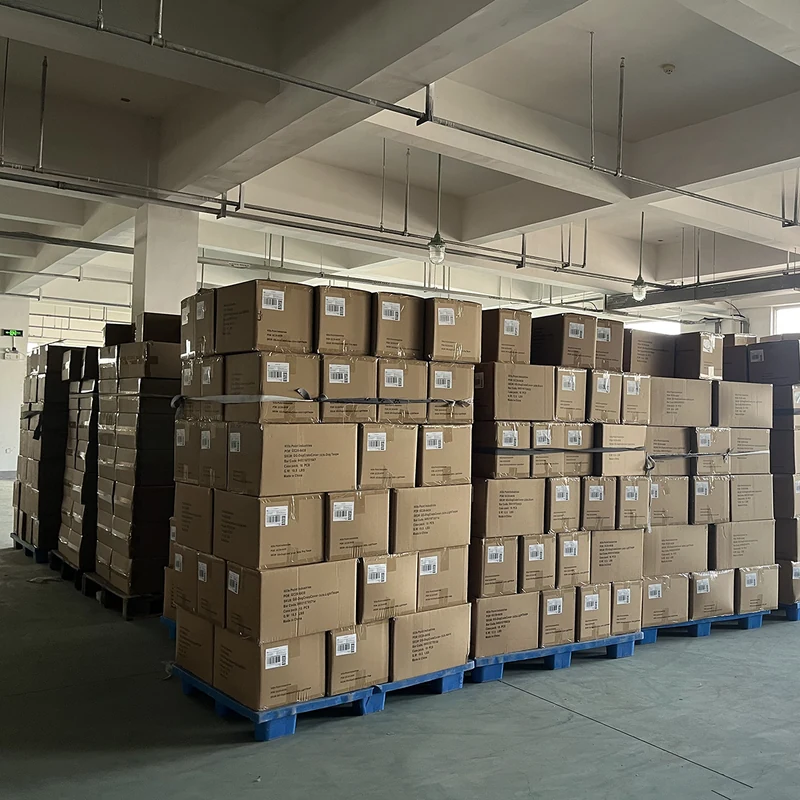
Review the order and plan replenishment
Your partShare delivery and product feedback. Identify what should be retained and what needs changing for the next order.
Merit coordinatesRepeat orders can build on the approved reference. A change to material, size, colour, packaging or quantity is reviewed for its effect on the next production plan.
Confirm what stays the same and what changes for replenishment.

One shared basis for the order.
The golden sample, specification and packaging approval need to tell the same story. Materials, dimensions, construction and critical details should be clear enough for the supply side to follow.
The project’s commercial and release conditions also need to be in place. When something changes, we review its implications before work proceeds.
See quality coordinationStart with the brief you have.
Send your product direction, market, estimated quantity and timing. You do not need every specification resolved to begin—tell us what is known and what still needs deciding.